Choosing the right Boston web designer isn’t just about launching a website . It’s about starting an ongoing partnership that will support your business as it grows. A website is rarely static; it evolves as your business changes, technology advances, and marketing strategies shift.
Your designer should be someone who not only understands how to create a site that works for you now but also how to keep it effective in the long run.
Boston’s web design community is full of talented professionals. The upside? You have plenty of options to find the perfect fit. The challenge? Narrowing it down to the agency or designer who best aligns with your needs, style, and budget.
Before you start reviewing portfolios or asking for proposals, step back and clearly define your goals. The right preparation will help you choose a partner who understands your vision and has the expertise to bring it to life.
Why Your Choice of Web Designer Matters in Boston
In a competitive city like Boston, where industries from biotech to higher education thrive, your website is one of the most important tools for standing out.
A local designer has the advantage of understanding the Boston market, everything from neighborhood demographics to the types of customers your business serves. This can make a meaningful difference in how your website resonates with its audience.
For example, when we designed a site for a Dorchester-based community health center, visiting them in person gave us invaluable insight. We toured their facility, learned about their services, and saw firsthand the neighborhood they serve. That level of local understanding shaped the design in ways a remote team might have missed.
Why working with a Boston web designer can be an advantage:
- They understand local audience preferences and market nuances
- They can meet in person to get a deeper understanding of your business
- They can more easily tailor the site to your brand, goals, and regional needs
Define Your Website Goals and Requirements
Before you evaluate any web design company, clarify exactly what you want your website to achieve.
Ask yourself:
- What is the main purpose of the site? (Lead generation, sales, brand awareness, community engagement?)
- What features will you need? (E-commerce functionality, event calendar, blog, online forms, integrations with CRMs?)
- Who is your target audience, and what kind of experience will resonate with them?
Alongside these questions, prepare a brief to share with prospective designers. This can include:
- A prioritized list of objectives and must-have features
- Examples of reference websites that reflect your preferred style, tone, or functionality — these don’t have to be competitors (even an Apple site reference can signal that you like clean, minimal, tech-driven design)
- Notes about your current site (platform, hosting, theme, plugins)
- A realistic budget range
This preparation gives web designers the context they need to propose solutions that meet your needs. Without it, you risk getting proposals that are vague, incomplete, or mismatched to your goals.
Types of Web Design Services in Boston
Boston offers a wide range of design service models, and the right one for you will depend on your project complexity, budget, and level of ongoing support needed.
Full-Service Agencies
- Pros: Offer: Offer everything in one place including strategy, design, development, copywriting, branding, SEO, and long-term support. These agencies often have structured project management, making them ideal for complex projects or teams with multiple stakeholders.
- Cons: Higher cost than smaller studios or freelancers. Timelines may be longer due to more process and coordination.
Specialized Design Studios
- Pros: Strong focus on design; often agile and creative.
- Cons: May not offer deep expertise in areas like SEO, copywriting, or marketing strategy. Good fit for businesses that already have those resources in-house.
Freelance Web Designers
- Pros: Budget-friendly; often flexible and responsive for small updates.
- Cons: Long-term availability can be uncertain. If they move to a full-time role or get busy, ongoing support can be disrupted.
Recommendation: Match the type of provider to your project’s needs. For a complex, multi-phase site, a full-service agency may be the safest choice. For smaller, design-centric projects, a freelancer or small studio could be a better fit.
Researching Boston Web Design Companies and Agencies
Research is where you’ll begin narrowing your options.
Start here:
- Search local business directories and Boston-focused networks
- Ask for referrals from colleagues or professional groups
- Explore agency websites and social media to see recent work
- Check AI-powered tools like ChatGPT or Perplexity for curated lists of Boston web designers
When reviewing agencies:
- Note the industries they’ve served
- Look at their design style and how it aligns with your vision
- Review their service offerings to see if they match your needs
If you’re early in the process, be upfront about it. Many agencies are happy to offer guidance while you’re building your brief. This helps them give more accurate proposals and gives you a preview of what it’s like to work with them.
Evaluating Portfolios and Case Studies

A strong portfolio should showcase more than just attractive designs.
When reviewing portfolios:
- Check for a variety of layouts and functionality which is a great indicator they can craft custom websites
- Look at the freshness of their work (are their designs current with modern trends?)
- Test a few sites on your phone to evaluate mobile performance
Case studies add another layer by explaining the strategy, challenges, and results behind each project. If an agency doesn’t publish case studies, ask for examples similar to your project and what problems they solved.
Checking Reviews, Testimonials, and Reputation
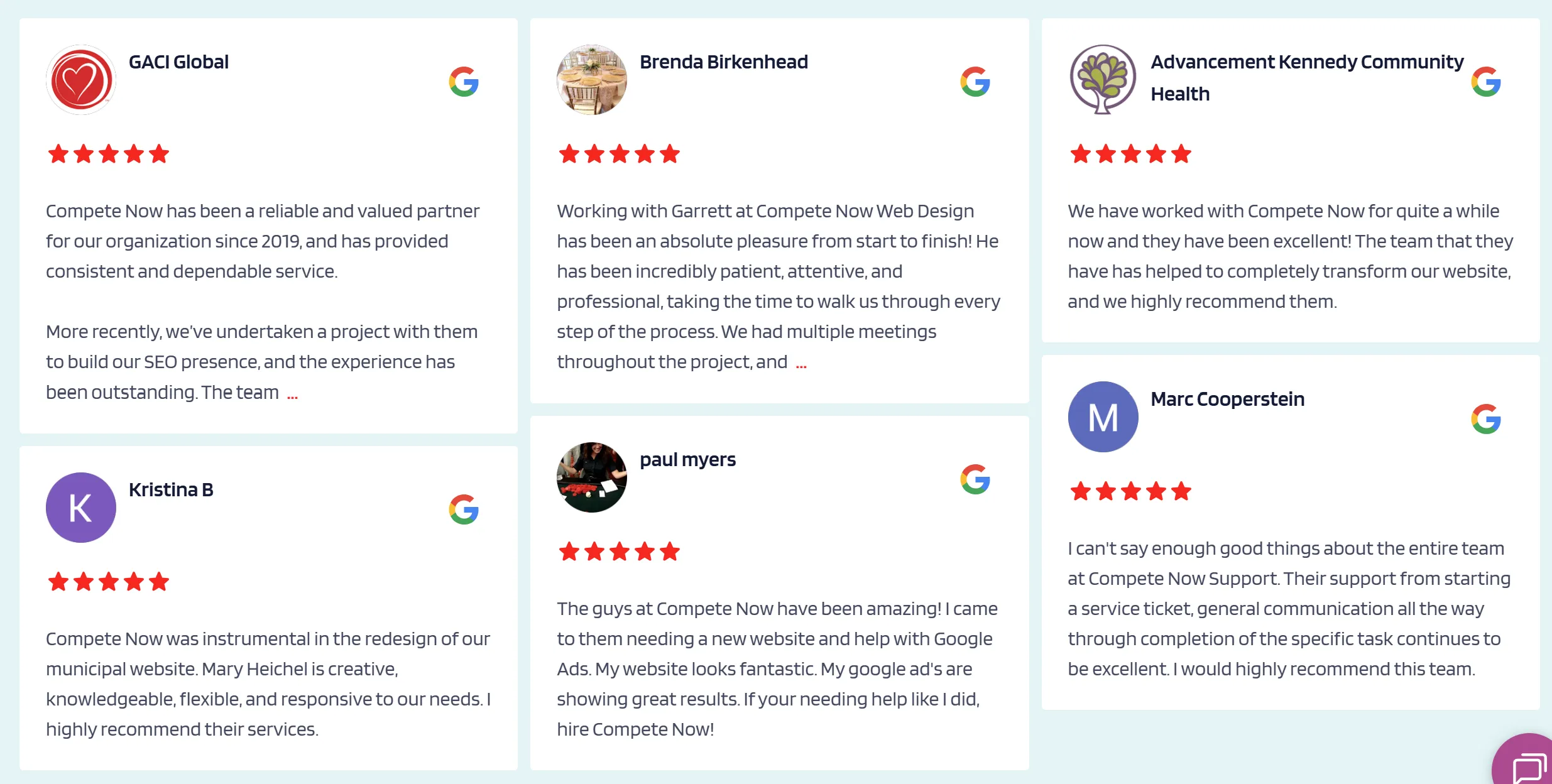
Reviews provide valuable insights into how a designer or agency works with clients.
Look for patterns in feedback:
- Do clients praise communication and responsiveness?
- Are deadlines consistently met?
- Is there satisfaction with the final product and post-launch support?
Reputation matters in Boston’s close-knit business community. Agencies that are trusted locally tend to value their long-term relationships.
Assessing Technical Expertise and Service Range
Design is only half the equation. Technical expertise determines whether your site will perform and grow with your business.
Ask about:
- SEO integration from the start (see our SEO services)
- Mobile responsiveness across devices
- Accessibility compliance (WCAG standards)
- CMS experience (WordPress, Drupal, HubSpot, or custom platforms)
- E-commerce capabilities (if applicable)
Choose a partner who understands how design, functionality, and performance work together.
Understanding the Web Design Process
A clear process helps avoid surprises and keeps projects on track.
Most experienced Boston web designers will follow a structure like this:
- Discovery & Strategy — Aligning on goals, audience, and priorities
- Wireframing & Design — Creating layouts, look, and feel
- Development & Testing — Building, reviewing, and ensuring functionality
- Launch & Support — Going live with post-launch assistance as needed
Ask about their timeline, revision cycles, and how they handle communication to make sure expectations are aligned.
SEO, Mobile Responsiveness, and User Experience
A great website balances aesthetics with performance:
- SEO: Ensures the site is discoverable in search engines from launch.
- Mobile Responsiveness: Critical in a city like Boston, where professionals browse on the go.
- User Experience: Navigation, speed, and clarity all influence whether visitors stay and convert.
Ask the designer what specific strategies and tools they use to address these areas.
Communication, Collaboration, and Project Management
Strong collaboration is essential to a smooth web design process.
Look for:
- Clear, responsive communication
- A defined project management approach
- Tools that keep you updated on timelines and deliverables
The better the communication, the fewer surprises during the project.
Budget, Pricing, and Value for Money
Be transparent about your budget. Experienced designers can often propose phased approaches or adjust scope to match your range.
Avoid choosing purely on cost. Instead, evaluate value by looking at how well the proposal aligns with your business goals, the quality of the work, and the level of ongoing support.
Questions to Ask Before Hiring a Boston Web Designer
- Have you completed projects similar to mine?
- What is your design and revision process?
- How do you integrate SEO into your builds?
- What ongoing support is available after launch?
- How do you handle timelines and project scope?
Red Flags and Common Mistakes to Avoid
- Portfolios with only outdated work or no mobile-friendly designs
- Proposals that are vague or generic with no mention of your specific needs
- Quotes provided without any discovery or conversation
If a company isn’t asking questions to understand your goals, they may not be the right fit.
Making Your Final Decision
Choose the designer or agency that:
- Understands your goals and audience
- Has a proven track record in your industry or project type
- Communicates clearly and reliably
- Offers the services you’ll need both now and in the future
The right partner can set your website and your business up for long-term success.
Conclusion: Building a Successful Website with the Right Partner
Choosing a Boston web designer is more than a project decision. It’s a strategic investment in your business. By taking the time to define your goals, research options, and evaluate fit, you’ll position yourself to work with a partner who can deliver a site that grows with you.
If you’re looking for a Boston web design company that combines local expertise, technical skill, and long-term partnership, contact us today to start the conversation.
Our Recommendations
- Invest time upfront in defining your goals. This clarity will save you time and money during the project.
- Choose a partner, not just a provider. Look for someone who can support you after launch.
- Match the type of designer to your needs. Complex projects usually need an agency; smaller projects may work well with a freelancer or small studio.
- Evaluate communication as much as creativity. How responsive and clear they are during the sales process is often how they’ll be during the project.
Frequently Asked Questions About Boston Web Design
What makes Boston web design unique?
Boston web design stands out because of the blend of innovative technology and creative thinking in the local market. Many Boston agencies balance cutting-edge functionality with user-friendly design. Local agencies also bring an understanding of the region’s industries, whether that’s higher education, healthcare, biotech, finance, or nonprofits, which helps tailor sites to their audiences.
How can I find the right agency?
Start with research, but don’t stop at search results. Look at agency portfolios, read client reviews, and pay attention to the types of businesses they work with. Have exploratory calls with a few agencies to see how well their process, communication style, and expertise align with your needs. Ask your professional network for recommendations. Referrals can save you time and point you toward proven partners.
Why is SEO important in web design?
A great-looking site won’t deliver results if it can’t be found. SEO ensures your website is visible to the right people in search engines. For Boston businesses, this often means combining broader search optimization with local SEO so your site ranks well for both competitive industry keywords and location-specific searches.
How long does the web design process take?
Timelines vary depending on the project’s complexity. A simple site might take a few weeks, while a larger, multi-stakeholder site can take several months. In Boston, where many organizations have multiple reviewers, it’s smart to build in extra time for feedback cycles. Ask for a realistic schedule that accommodates revisions and content preparation.
What should I consider when evaluating a web designer?
Look beyond design quality. Evaluate their process, technical expertise, and how they communicate. Do they ask the right questions about your goals? Do they understand your industry? Review recent work to ensure their style and skills are current.
What’s the benefit of mobile-responsive design?
Mobile responsiveness ensures your website works across all devices. More than half of all web traffic is mobile, and in Boston, where busy professionals often browse on the go, a site that doesn’t perform well on a phone can lose potential customers. A responsive site improves user experience and search visibility.


