A lot of website companies say they build sites that are “easy to manage.” But what does that actually mean?
For us, an easy-to-manage website is one that allows a client to handle routine updates without needing coding knowledge or having to contact a developer every time something changes. That starts with how the website is built.
Make Routine Content Easy to Edit
The first priority is making sure the content a client is likely to update can actually be edited easily.
That includes things like:
- Page copy
- Headings
- Images
- Calls to action
- Team or staff information
- Services
- News or other ongoing content
If a client needs to understand code or rely on a developer for simple updates, the website is not really easy to manage. The goal should be to give the client control over the content they are responsible for maintaining.
Build Reusable Components
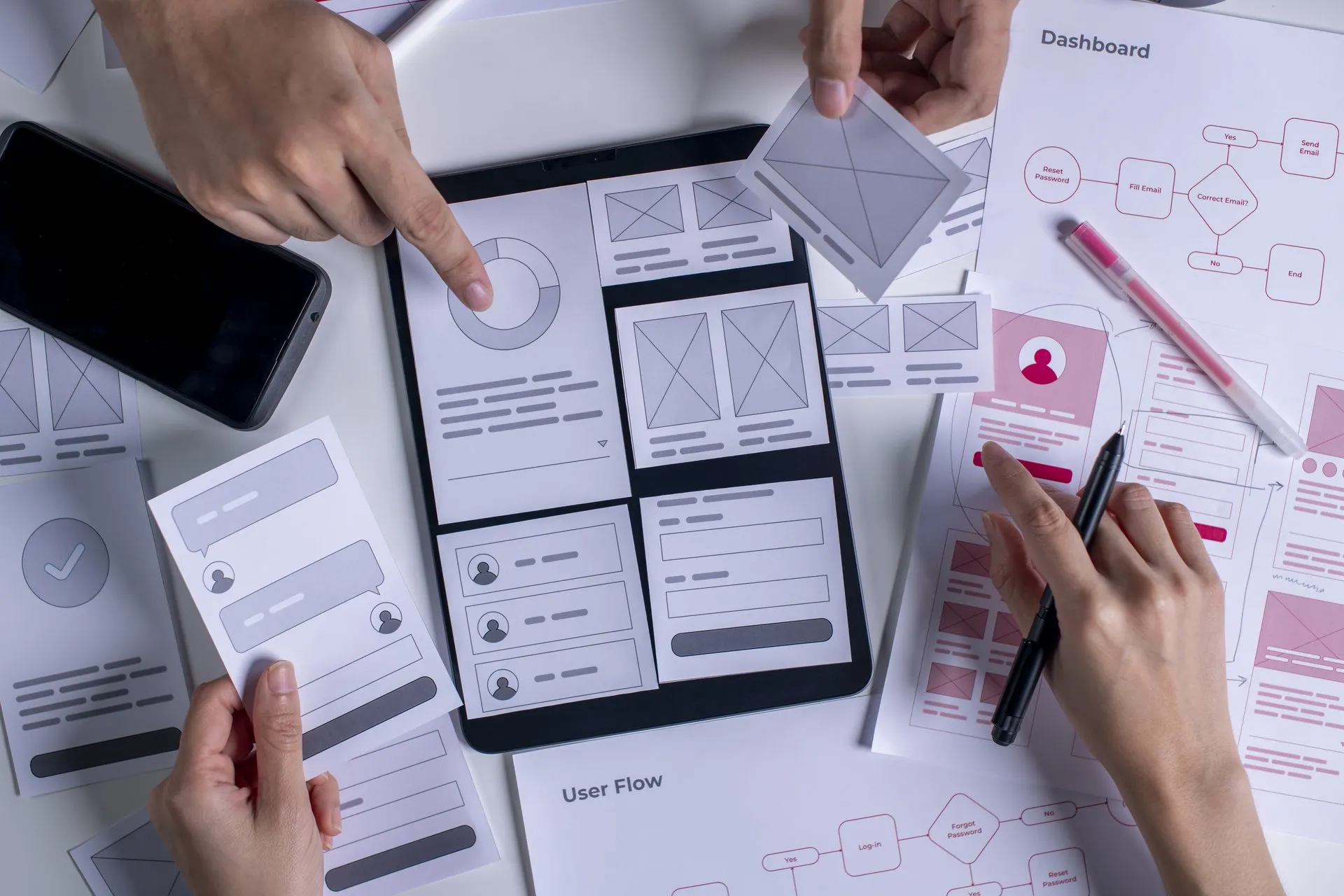
One of the most useful ways to make a website easier to manage is to create a reusable component library. Rather than designing every page as something completely unique, we build flexible rows and sections that can be reused throughout the site.
That gives clients the ability to create new pages and customize existing ones using the same design system that was established during the original project. Instead of starting from scratch every time, they can build a new page row by row using approved components. This also helps maintain visual consistency as the website grows.
Avoid Requiring Clients to Edit Images for the Design to Work
A website can technically be editable while still being frustrating to manage. One example is when a design requires images to be manually cropped, shaped or prepared a certain way before they can be uploaded. We try to avoid that wherever possible.
If an image needs to appear in a particular shape or treatment, we can often handle that through CSS and the website’s design rather than requiring the client to manipulate the image itself. That means someone can replace an image without needing Photoshop or other design software just to make it fit the page correctly.
Those details may seem small, but they make a big difference in how practical the site is to manage day to day.
Make It Possible to Build New Pages Without Coding
Ease of management should go beyond changing a paragraph or swapping an image. A well-built website should also give the client the ability to create new pages as the organization grows.
By using a component-based approach, clients can build out new pages from existing design elements without needing to know HTML, CSS or other code. That gives the website more flexibility over time and reduces the need to bring a developer in for every new page.
Provide Training When the Website Launches
Even a well-built content management system is only useful if the people managing it understand how it works. That is why training should be part of the website handoff.
We walk clients through how to manage the areas of the website they are likely to update and explain how the page components and editing tools work. The goal is not to teach someone how to be a web developer. It is to make sure they are comfortable handling the routine updates they will actually need to make.
Provide Video Tutorials for Future Reference

Live training is useful, but people are not going to remember every detail from a training session months later. We also provide recorded video tutorials so clients have something they can refer back to when they need it. That makes it easier for the person who attended the original training and for future team members who may take over responsibility for the website. Instead of needing to ask how to perform the same task again, they have a reference they can return to whenever needed.
Easy to Manage Does Not Mean You Have to Manage Everything Yourself
An easy-to-manage website should give you control, but that does not mean you have to handle every update internally. Some clients want to make most changes themselves. Others prefer to have an agency continue handling maintenance and updates.
Both approaches can work. The important thing is that the website should not lock you into one option because the site is unnecessarily difficult to edit. You should have the flexibility to manage routine content yourself while still having support available when you need it.
Think About Website Management Before the Site Is Built
How easy a website will be to manage should not be an afterthought. It should influence how the site is designed and developed from the beginning. When evaluating a website partner, it is worth asking specifically:
- What parts of the website will we be able to edit ourselves?
- Will we need coding knowledge?
- Can we create new pages using existing design components?
- Will images require special editing before they can be uploaded?
- Will you provide training?
- Will we receive documentation or video tutorials?
- What happens if we need help after launch?
Almost anyone can say a website will be easy to manage. The more useful question is what specifically are they doing to make it easy to manage? That is the difference between a website that simply looks good at launch and one that remains practical for your team to use and grow over time.


